

What is AutoCart Cartilage Restoration?
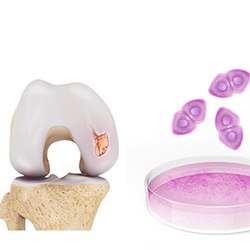
AutoCart cartilage restoration is a surgical technique used to aid the re-growth of cartilage in the knee. It involves the use of autologous chondrocyte implantation (ACI) technology, where healthy cartilage cells (chondrocytes) are harvested from the patient's own knee, grown in a laboratory, and then implanted back into the damaged area of the knee joint, where they can regenerate and repair the damaged cartilage. This procedure aims to improve joint function, reduce pain, and delay or avoid the need for more invasive treatments like joint replacement surgery.
What are the Indications for AutoCart Cartilage Restoration?
AutoCart cartilage restoration is typically recommended for patients with cartilage defects or injuries, such as those caused by sports injuries or osteoarthritis. Cartilage is a tough, flexible tissue that covers the surface of joints. It acts as a shock absorber and allows joints to slide over one another. It can become damaged due to an injury or gradual wear and tear (osteoarthritis).
You may be a suitable candidate for AutoCart cartilage restoration if you have arthritis in your knee in one clearly defined area and the size of the cartilage loss is less than 3 x 3 cm.
What is the Procedure for AutoCart Cartilage Restoration?
AutoCart cartilage restoration procedure is typically performed using arthroscopic surgery with an innovative, single-stage autologous chondrocyte implantation technique. An arthroscope is a tubular instrument consisting of a lens, light source, and video camera. The camera projects an image of the inside of the joint onto a large screen monitor, allowing the surgeon to look for any damage, assess the type of injury, and repair the problem.
In general, AutoCart cartilage restoration may involve the following steps:
- You will typically be given general anesthesia to ensure you are asleep and pain-free during the surgery.
- After sterilizing the surgical site with an antiseptic solution, the surgeon makes a few keyhole incisions over your knee for insertion of the arthroscope and miniature surgical instruments to access the knee joint and perform the repair.
- A small amount of healthy cartilage tissue is harvested from a non-weight-bearing area of the patient's joint during the arthroscopic procedure. The harvested tissue contains chondrocytes, which are the cells responsible for producing cartilage.
- The harvested cartilage tissue is then sent to a laboratory where the chondrocytes are isolated and cultured. This process allows the chondrocytes to multiply and form a sufficient number of cells for implantation.
- Once an adequate number of chondrocytes are cultured, they are combined with a scaffold or matrix material. The scaffold provides a structure for the cells to grow and helps facilitate integration with the surrounding tissue after implantation.
- The prepared implant containing chondrocytes and scaffold is placed into the cartilage defect site in the patient's knee joint using a specialized delivery system. The surgeon secures the implant in place, often using surgical techniques to ensure proper positioning and stability.
- After the chondrocyte implantation is completed, the scope and the instruments are withdrawn, surgical incisions are closed, and the knee joint is typically bandaged.
What is the Postoperative Care Involved in AutoCart Cartilage Restoration?
After surgery, you will be taken to the recovery room where medical staff will monitor your vital signs and ensure you wake up safely from anesthesia. After waking up, you will receive instructions on postoperative care, including pain management, activity restrictions, and wound care. You will undergo a structured rehabilitation program supervised by physical therapists. This program includes exercises to promote healing, strengthen the muscles around the knee, improve range of motion, and gradually reintroduce weight-bearing activities. Due to the minimally invasive nature of the surgery, you should be discharged from the hospital in a day or two. Your orthopedic surgeon will schedule follow-up appointments to monitor your progress, assess the success of the cartilage restoration, and make any necessary adjustments to your rehabilitation plan.
What are the Risks and Complications of AutoCart Cartilage Restoration?
As with any surgical procedure, AutoCart cartilage restoration carries certain risks and potential complications, such as:
- Infection
- Blood clots
- Pain and discomfort
- Nerve or blood vessel damage
- Failure of cartilage regeneration
- Adverse reactions to anesthesia